Photo:
Eurasia/UZ Daily
14/02/2026 17:16
In response to this problem, specialists at the Laboratory of High-Molecular Plant Chemistry of the Institute of Chemistry of Plant Substances under the Academy of Sciences of Uzbekistan have developed an optimized formulation for producing environmentally friendly, fully biodegradable films, according to UZ Daily.
The technology is based on water-soluble polysaccharides extracted from local plant resources, adding both economic and ecological significance to the innovation.
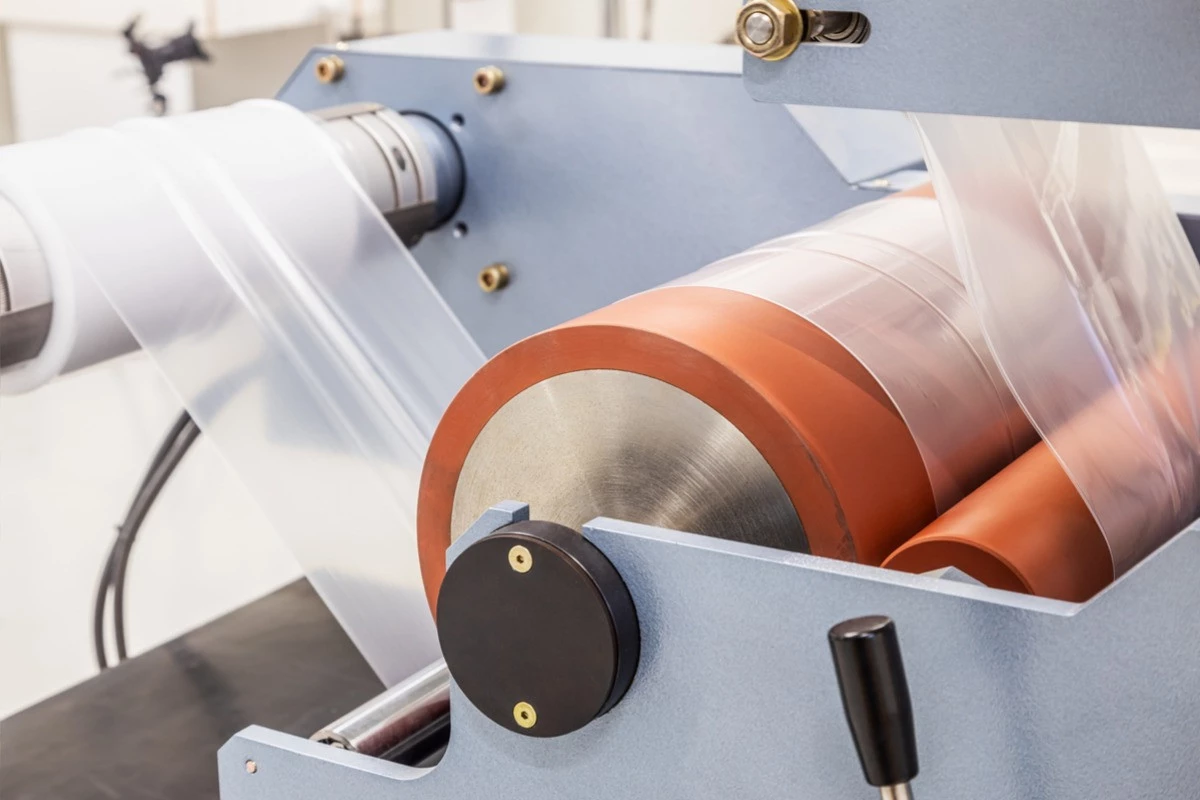
In terms of appearance and mechanical properties, the new film is almost indistinguishable from conventional synthetic polyethylene products. However, the fundamental difference lies in its environmental impact: the material is completely safe for nature, easily decomposes in soil and water, and does not generate persistent toxic waste.
These bioplastics have high practical potential, particularly in the food and pharmaceutical industries, where eco-friendly packaging materials are in great demand.
The scientists emphasize that implementing such solutions could be a key step toward reducing plastic waste volumes and fostering a more sustainable consumption model.
The project authors stress that this development is not only a scientific achievement but also a practical solution aimed at lowering environmental impact. By utilizing local plant raw materials alongside environmental and human safety, the technology gains both relevance and practical value, opening opportunities for industrial adoption and advancement toward a “green future.”