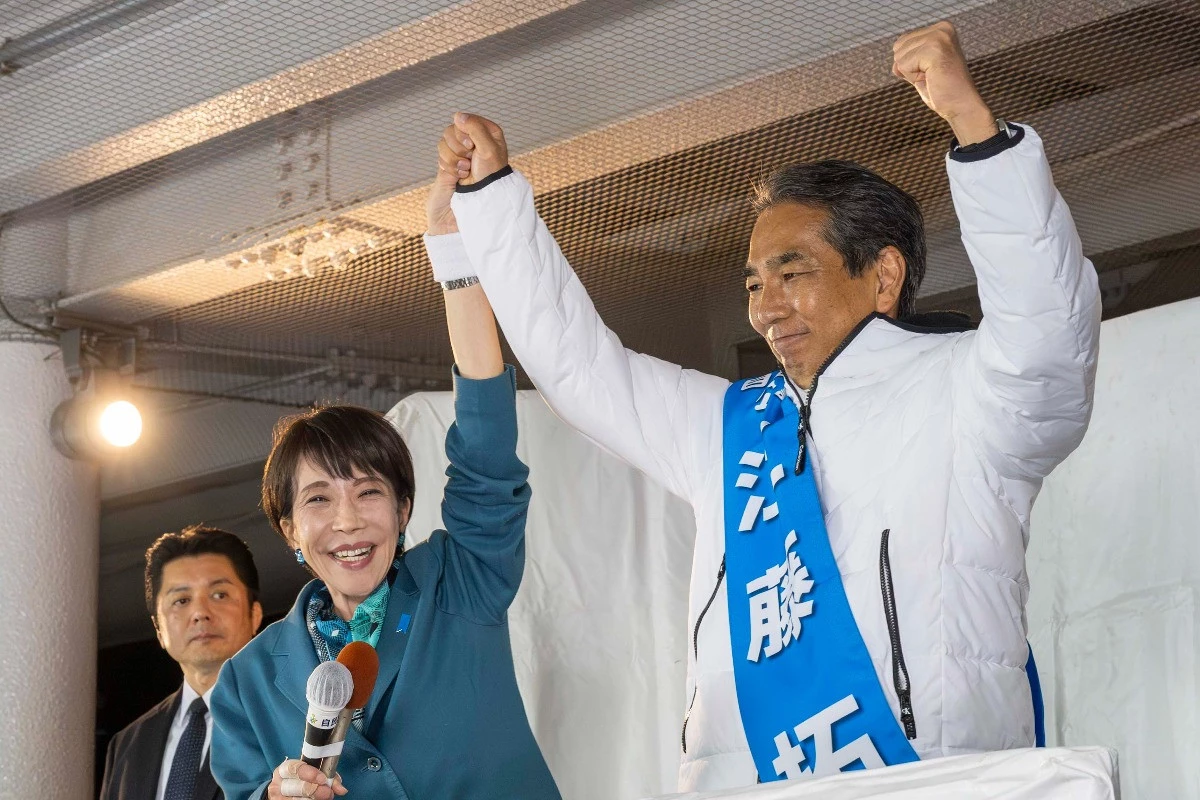
Photo: X.com/Takaichi Sanae
Eurasia
09/02/2026 16:20
In the 465-member House of Representatives, the LDP captured 316 seats, up from its previous 198, becoming the first party in the post-1945 period to achieve an independent two-thirds majority. This enables the ruling party to initiate constitutional amendments and pass legislation even if it is rejected by the upper house. The LDP’s coalition partner, the Japan Innovation Party (JIP), won 36 seats, up from 34, giving the coalition a total of 352 mandates.
The opposition suffered a heavy defeat. The Centrist Reform Alliance, formed in January through the merger of the Constitutional Democratic Party (CDP) and Komeito, saw its representation plunge from 167 seats to 49.
Voter turnout was 56.26 percent, slightly higher than previously, according to Kyodo News.
Following the victory, Prime Minister Sanae Takaichi stated that her government bears an “extremely great responsibility” to consistently implement its campaign promises.
Takaichi — who became Japan’s first female prime minister in October 2025 — called the election just a few months after taking office. Analysts say the victory is largely due to Takaichi’s personal popularity. A conservative security hardliner, she has pushed for higher defense spending, a closer alliance with the United States, and a firm stance toward China.
Takaichi has long advocated revising Article 9 of Japan’s constitution, the so-called “pacifist clause,” which since 1947 has stipulated that Japan renounces war as a sovereign right and the use of force to settle international disputes. The two-thirds majority now makes this goal attainable.
U.S. President Donald Trump congratulated Takaichi on her “landslide victory” on his platform Truth Social and voiced support for her conservative agenda. Trump had previously expressed full backing for Takaichi, who is planning a visit to the White House in March. U.S. Treasury Secretary Scott Bessent also welcomed the result, emphasizing the strength of the U.S.–Japan alliance.