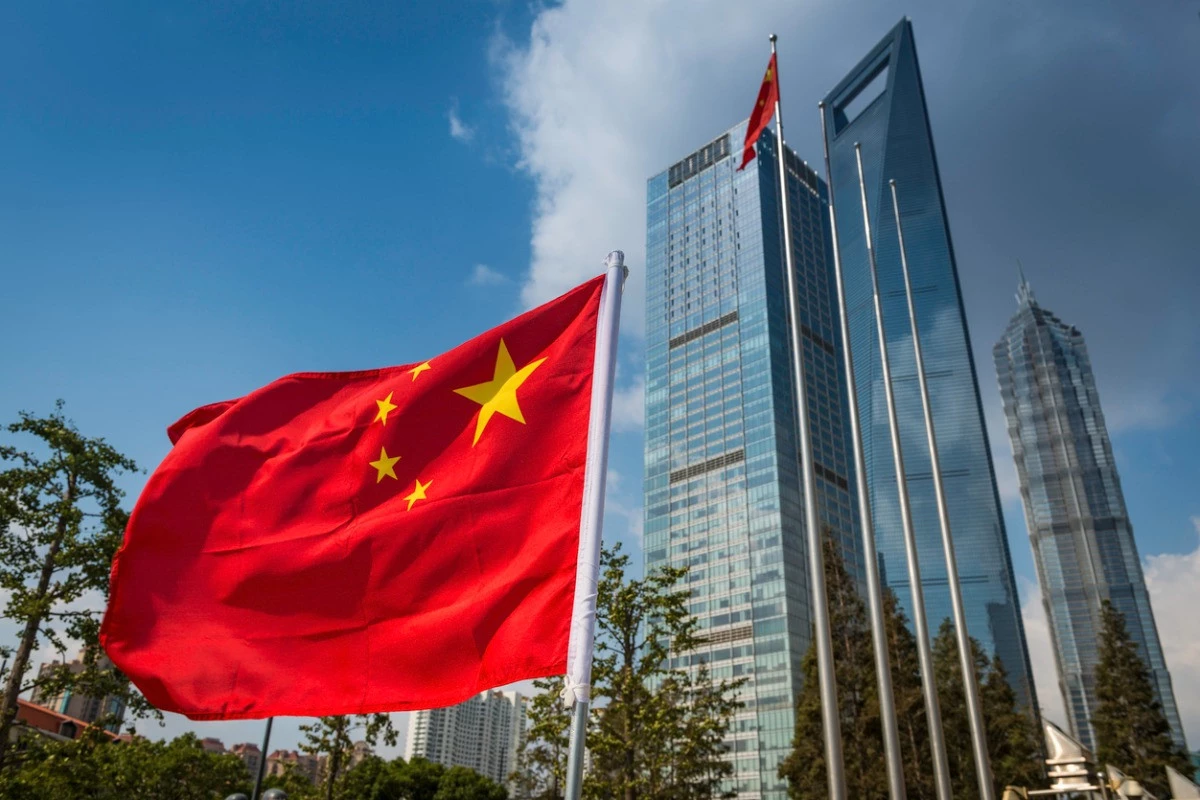
Photo: iStock
Dr. Zhang Weipeng
29/12/2025 08:00
Faced with these cross-border challenges, no country can remain immune. It is timely and necessary for all countries to join together to develop systematic solutions to effectively address these global problems. China has put forward several initiatives on development, security, civilization, and governance, which deserve our attention.
Firstly, the Global Development Initiative (GDI), which is proposed in 2021. Development is an eternal pursuit of human society. China has lifted 800 million people out of poverty, created a middle-income group of nearly 500 million, and 1.4 billion Chinese people are now collectively moving towards modernization. China has not only achieved development itself, but is also willing to share its development and poverty reduction experience. The GDI centered on improving people’s well-being and achieving all-round human development, aligns with the UN 2030 Agenda for Sustainable Development. It prioritizes poverty reduction, food security, pandemic prevention and vaccines, financing for development, climate change and green development, industrialization, the digital economy, and connectivity as key areas of cooperation. In the four years since the GDI was launched, over 130 countries and international organizations have joined its implementation mechanism, and over 80 countries have joined the “Group of Friends of the GDI”. The GDI has mobilized over US$23 billion in funding to support development and revitalization in the Global South and launched over 1,800 cooperation projects, gathering greater development synergy to address development challenges and promote more dynamic global development.
Secondly, the Global Security Initiative (GDI), which is proposed in 2022. The current global security situation remains grim and complex, with traditional security issues continuing to arise. Meanwhile, emerging technologies and fields such as outer space, cyberspace, and artificial intelligence are becoming crucial variables in shaping the international security landscape. The GSI encompasses six core elements: Upholding a common, comprehensive, cooperative, and sustainable security vision; Respect for the sovereignty and territorial integrity of all countries; Adherence to the purposes and principles of the UN Charter; Addressing the legitimate security concerns of all countries; Resolving differences and disputes between countries through dialogue and consultation in a peaceful manner; Comprehensively safeguarding security in both traditional and non-traditional areas.
China has officially released the “GSI Concept Paper”, which clearly outlines 20 key areas of cooperation and five types of cooperation platforms and mechanisms, offering targeted solutions to addressing issues in various security areas. The GSI has garnered support and appreciation from over 130 countries, regions, and international organizations, and is playing an increasingly important role in reforming and improving global security governance.
Thirdly, the Global Civilization Initiative (GCI), which is proposed in 2023. Human civilization thrives on diversity and thrives through exchange and mutual learning. However, some countries advocate for the "superiority of civilizations," impose their own cultural values on others, and even view cultural differences as a source of conflict, seriously hindering global development and progress.
The GCI has four core elements: respecting the diversity of world civilizations, promoting shared values for all humanity, valuing the inheritance and innovation of civilizations, and strengthening international cultural exchanges and cooperation.
This will provide a more solid public support for promoting global peace and development. Our discussion today is, in fact, an important form of cultural exchange. Colleagues from different countries will present their latest research findings. I believe that this exchange will help resolve doubts and deepen our understanding of China’s domestic and foreign policies and practices.
Finally, the Global Governance Initiative (GGI), which is proposed in 2025. Currently, global governance stands at a crossroads that requires greater unity, not division, and more cooperation, not confrontation. The GGI aims to strengthen and improve global governance and is comprised of five core principles.
Firstly, upholding sovereign equality emphasizes that all countries, regardless of size, strength, poverty, wealth, have the right to participate equally in international affairs and independently choose their own development paths.
Secondly, adhering to the international rule of law and advocating adherence to universally recognized fundamental norms governing international relations, such as the purposes and principles of the UN Charter.
Thirdly, practicing multilateralism emphasizes that international affairs should be handled through consultation among all countries, and that the outcomes of global governance should benefit the people of all countries.
Fourthly, advocating a people-centered approach, the ultimate goal of governance is to meet the aspirations of people in all countries for a better life and ensure that the fruits of development benefit all people.
Fifthly, focusing on action means focusing on pressing issues like climate change and food security and delivering real solutions, not just rhetoric.
In this era of uncertainty, we need more, not fewer, international cooperation initiatives, and bigger, not smaller, common dreams. The profound value of the four initiatives lies in their mutually supportive, organic whole. Development is the foundation of security, security is the prerequisite for development, exchanges and mutual learning among civilizations are key to achieving mutual understanding and trust, and reforming and improving global governance is the institutional guarantee for achieving the first three goals. This kind of systematic thinking is urgently needed to address complex global challenges.
The author is Associate Research Fellow of China Institute of International Studies