Photo: iStock
Eurasia
19/11/2023 22:38
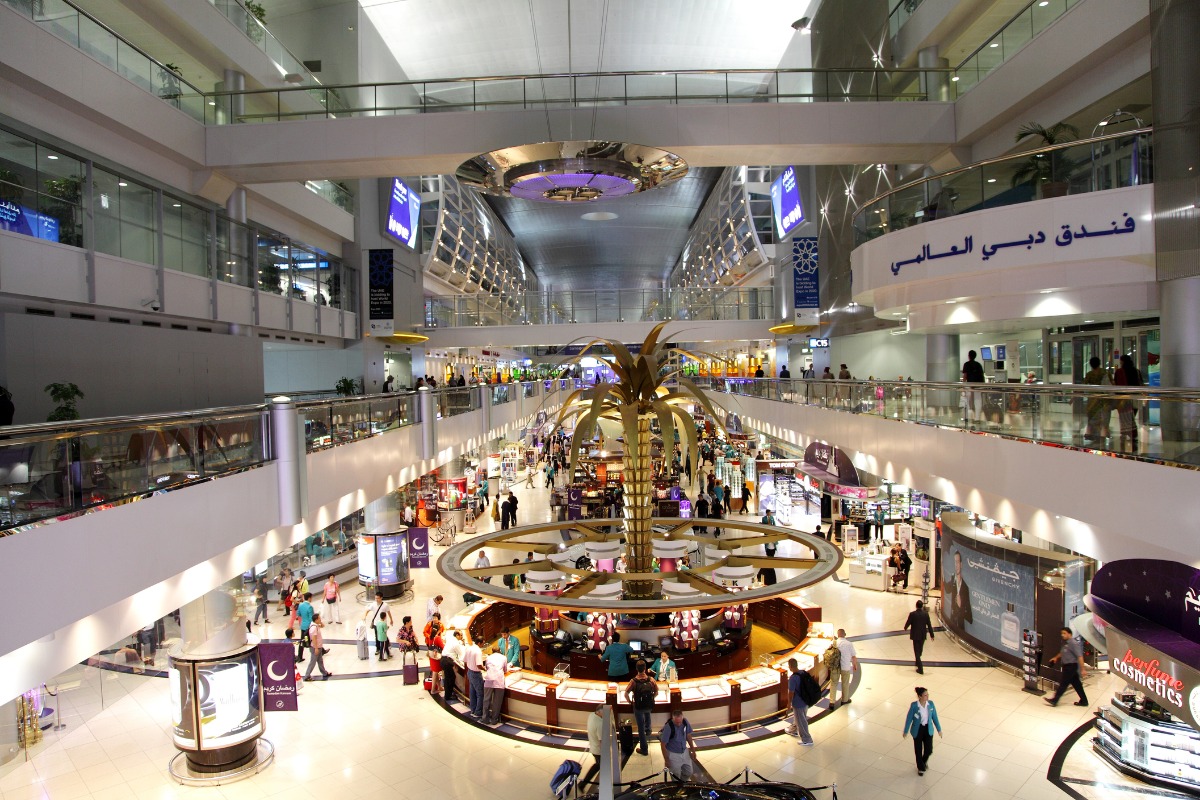
Dubai Airports chief executive Paul Griffiths said designs were being drawn up for Al Maktoum International Airport, The Strait Times reported.
It will be built on the city’s outskirts and should replace Dubai International in the 2030s.
He was speaking at the Dubai Airshow in the United Arab Emirates, where airlines have invested heavily in new planes. In 2022, neighbouring Saudi Arabia announced plans for a major new air hub in Riyadh.
“Once we’ve reached about 120 million (passengers a year), which is what we think our total capacity at DXB (Dubai International) is at the absolute maximum with everything optimised, we are going to need a new airport,” Mr Griffiths said.
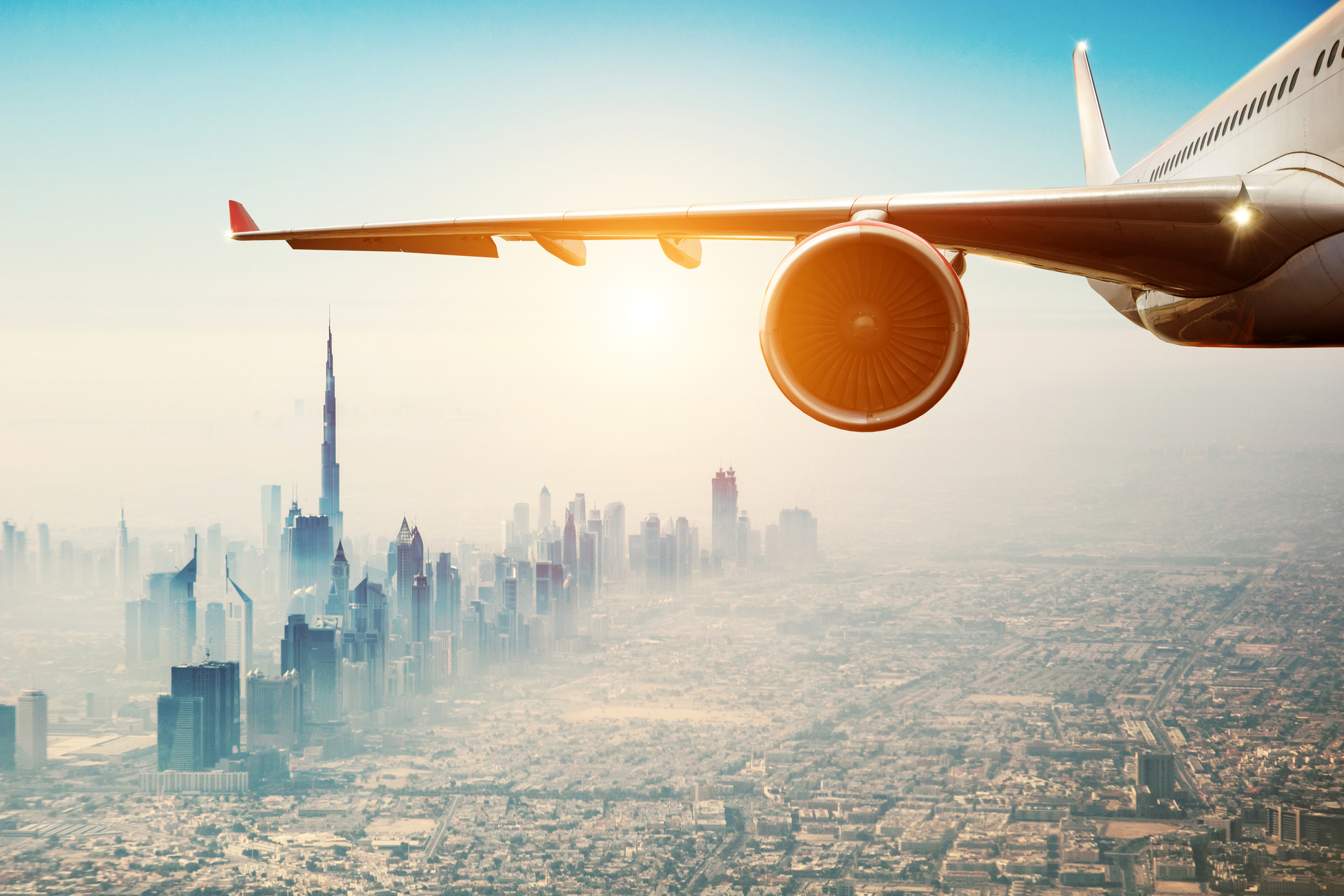
“That is going to have to happen at some stage during the 2030s. We’re going to be working on those designs over the next few months. So the trajectory is good. The confidence in the industry remains high", he said.
Mr Griffiths was speaking as new figures forecast 86.9 million passengers at Dubai International in 2023, surpassing 2019 traffic and underlining recovery from the pandemic.
Third-quarter traffic was 22.9 million, the highest since 2019, taking 2023 numbers so far to 64.5 million, nearly 40 per cent higher than the same period in 2022.