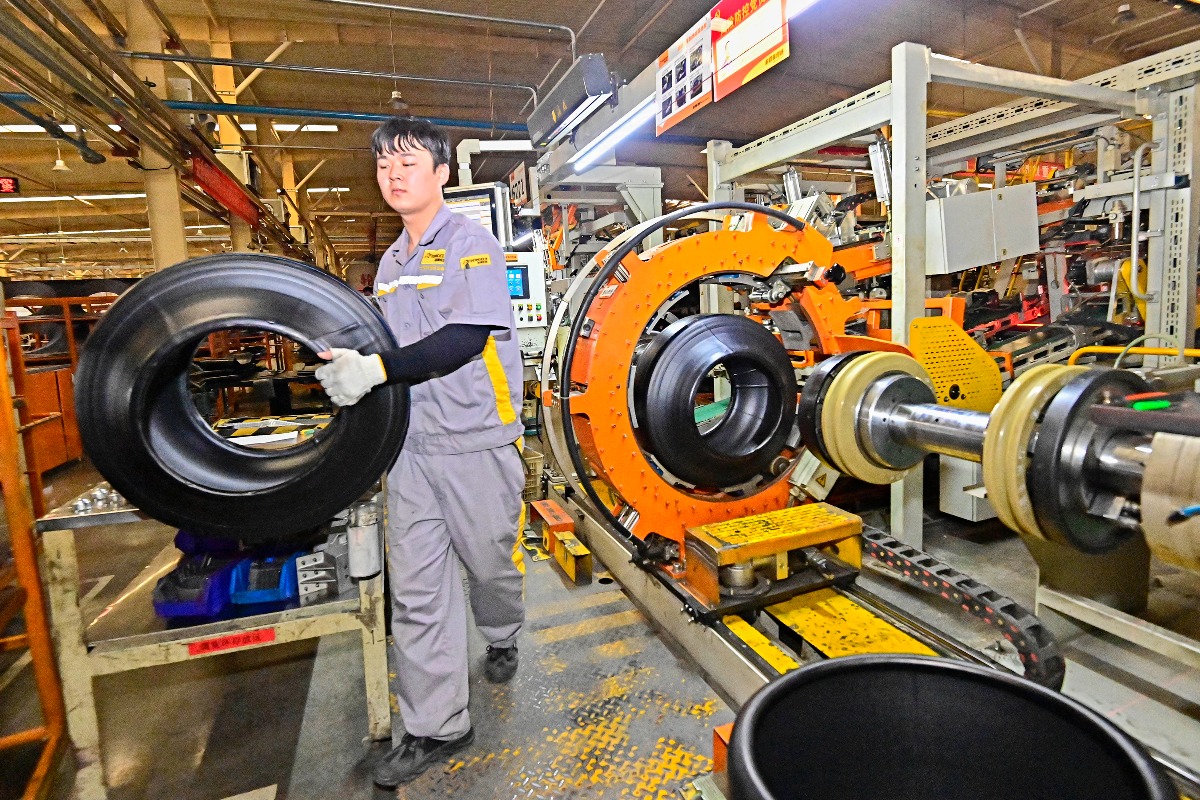
Photo: AFP/NurPhoto/Cfoto
Eurasia
25/01/2024 16:52
In 2024, Sentury Tire, a prominent Chinese tire manufacturer, is operating at full capacity to meet the surging overseas demand, highlighting a robust global interest in Chinese tires. This signifies a positive trajectory for China's export outlook, following steady improvement in 2023.
The Chinese tire industry experienced significant growth in 2023, with the trend expected to continue in 2024 due to factors such as high demand and overseas expansion. Sentury Tire reports a substantial increase in orders from Europe, America, North Africa, the Middle East, South America, and Southeast Asia. The company's demand surpasses production capacity, indicating sustained strong overseas demand throughout 2024.
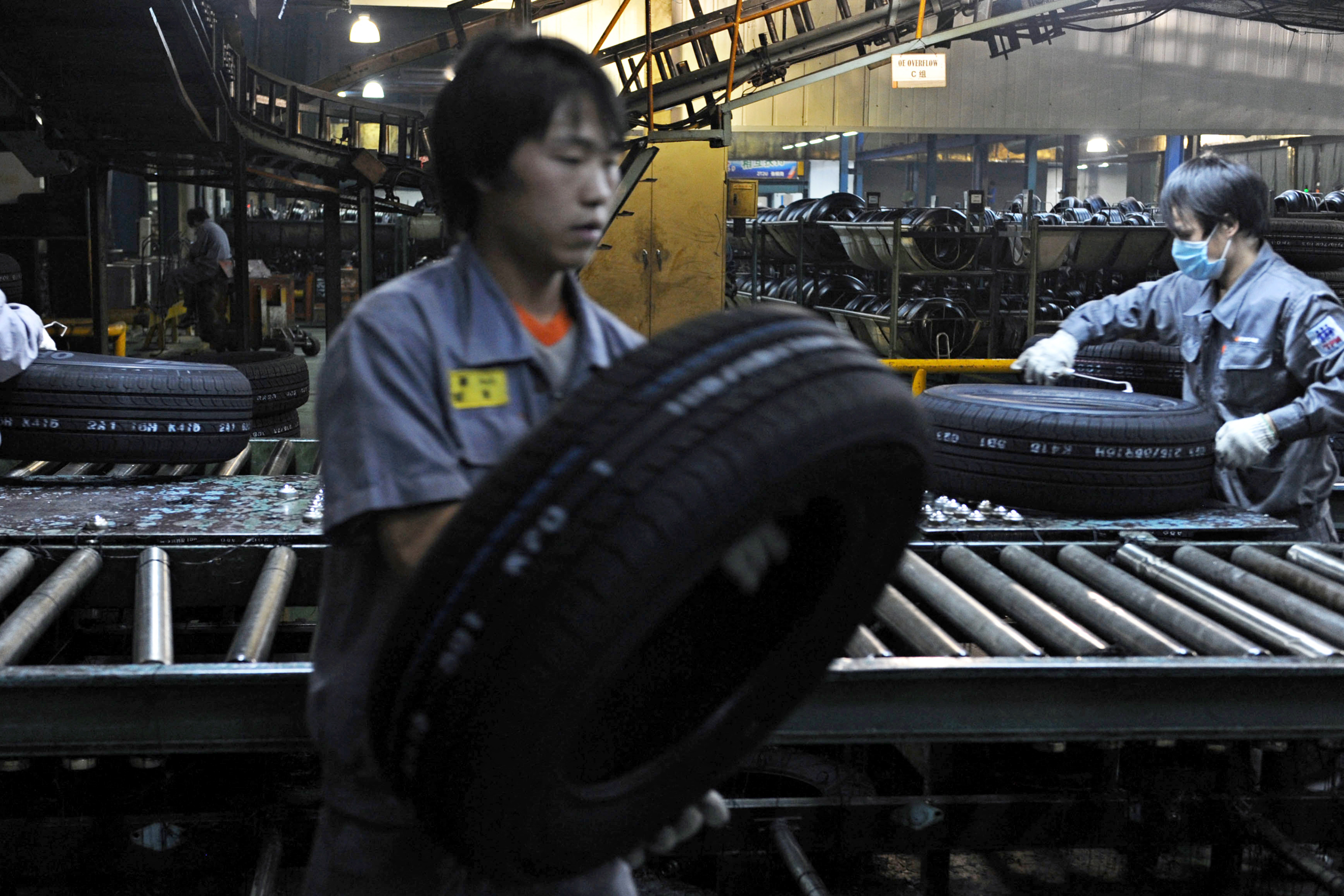
Sailun Group, another Chinese tire manufacturer, notes full export orders for January, primarily to North America and Europe, reflecting momentum from the previous year. Chinese tires hold a cost-effectiveness advantage in the face of inflation in European and American markets, contributing to increased exports.
China's car exports surpassing Japan in 2023 also contribute to a higher share of Chinese tires globally. Semi-steel tire exports, mainly for passenger vehicles, saw a remarkable 20% year-on-year surge in 2023. Chinese tire products are praised for their cost-performance, boosting optimism among manufacturers for future prospects.
To meet overseas demand, Sentury established a production base in Morocco in 2023, set to start operations in Q4 2024. Sailun plans a $240 million investment for a joint venture in Mexico for semi-steel tire production, as Chinese tire exporters actively expand into overseas markets, fueled by a positive outlook and strong demand.